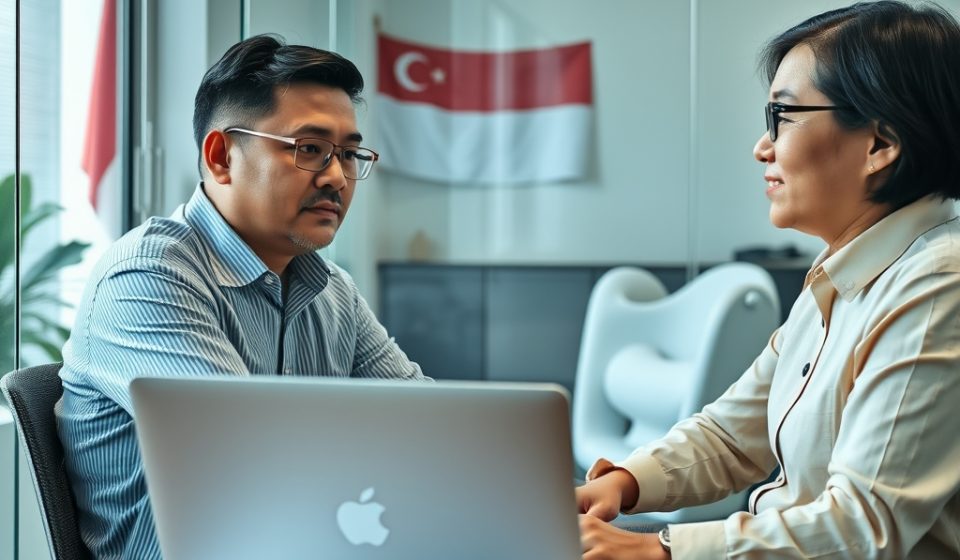
Indonesia Calls on Employers to Strengthen Mental Health Safeguards at Work

Indonesia is urging employers to address psychosocial risks and reinforce workplace mental health safeguards, according to a report by People Matters Global. The call places responsibility on organisations to consider how work is designed and managed, as well as how employees can access support when they experience distress. The source information available does not identify the official body behind the call, set out a timetable, or specify new rules or enforcement measures.
That distinction matters for HR leaders. The reported development signals attention to workplace mental health, but it should not be read as confirmation of a particular legal change or a new compliance deadline. Employers will need to consult official Indonesian sources for details about any applicable requirements. In the meantime, the central issue for HR is how to identify conditions at work that can contribute to psychological strain and whether existing processes can detect and address them.
Looking beyond individual wellbeing
Psychosocial risks are workplace conditions that can affect psychological health. Commonly recognised examples include excessive or poorly managed workloads, unclear responsibilities, limited control over how work is done, conflict, harassment, and inadequate support. These are general examples, not a list attributed to the Indonesian call. Risk can also arise when expectations are inconsistent or when employees do not know how to raise a concern without fear of negative consequences.
For employers, this means mental health safeguards cannot be reduced to offering individual wellbeing resources. Such support may help employees, but it does not by itself resolve harmful work conditions. HR teams can examine how roles are defined, whether staffing and deadlines are manageable, how managers respond to concerns, and whether workplace conduct policies are applied consistently. Routine conversations, employee feedback channels, absence patterns and exit feedback can help identify issues, although each source has limits and should be handled with appropriate care.
Applying the issue to remote and hybrid work
The report’s headline does not specifically identify remote or hybrid work as a focus. Still, the call is relevant to HR teams responsible for distributed work because psychosocial risks can take different forms when colleagues are not sharing a workplace every day. Isolation, blurred boundaries between working time and personal time, communication overload and reduced access to informal support are recognised concerns in some remote and hybrid settings. Their relevance depends on how work is organised and on employees’ circumstances; they should be assessed rather than assumed.
HR teams can review whether remote and hybrid employees have clear expectations about availability, workload and communication, and whether managers maintain regular, appropriate contact. A practical approach is to make it easy to request support, ensure concerns can be raised confidentially, and check that employees working away from an office have comparable access to information and assistance. These steps are general management considerations, not measures stated as requirements by the Indonesian report. They also should not become a substitute for examining workload, management practices or other underlying causes of strain.
Turning a call into workplace practice
Employers seeking to respond can start by mapping the work-related pressures employees encounter and identifying who is accountable for addressing them. HR can work with managers and relevant workplace health and safety functions to review existing policies and reporting routes, clarify how concerns are escalated, and consider whether managers have the skills to respond appropriately. Any review should protect employee privacy and avoid treating a mental health concern as evidence of poor performance. Where employees disclose a health issue, organisations should handle the information sensitively and follow applicable local requirements.
Clear communication is also important. Employees need to know where to seek help, what happens after they raise a concern and which support is available. Managers need guidance on listening, responding without stigma and referring employees to appropriate channels rather than attempting to diagnose or resolve a health condition themselves. HR should also distinguish between support for an individual and action on a wider workplace problem: repeated concerns about workload or conduct may call for changes to work arrangements, not only additional individual assistance.
For HR professionals in Indonesia, the reported call is a reason to pay close attention to the conditions that shape employees’ day-to-day experience while avoiding assumptions about legal obligations not specified in the available report. The next step is to verify any formal guidance through authoritative local sources and assess whether current workplace practices identify and manage psychosocial risks. A measured response can connect employee support with prevention, fair management and a clear process for addressing concerns, including for workers in remote and hybrid arrangements.