
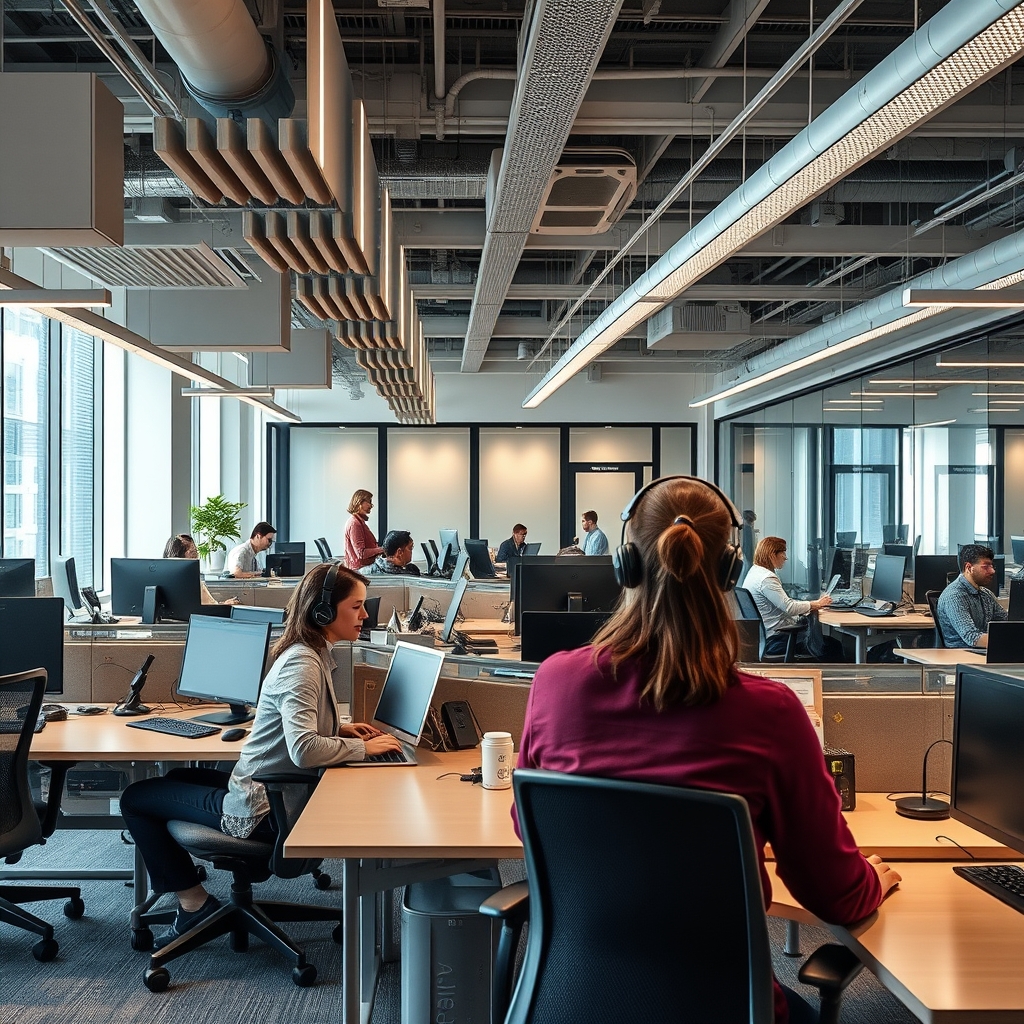
Organizations navigating the return to physical offices in a hybrid model are confronting persistent environmental challenges, most notably the acoustic difficulties associated with traditional open-plan layouts. As employers encourage staff to collaborate on-site, the resulting ambient sound levels frequently conflict with the focused concentration required for individual tasks.
The Acoustic Challenge of Shared Workspaces
Open-plan designs were originally intended to foster communication and teamwork. However, in contemporary hybrid environments where attendance fluctuates, these spaces often generate significant friction. Employees returning for collaborative days frequently encounter unpredictable noise levels that disrupt productivity, leading to frustration among staff members who expected a conducive environment for focused duties.
- Unpredictable noise generation in shared areas
- Conflicts between collaborative activities and concentrated work
- Shifting daily attendance patterns complicating spatial management
Strategies for Modern Workplace Design
Facilities managers and human resources leaders are exploring various architectural and policy-based solutions to mitigate these acoustic issues. Adjusting physical layouts to include designated quiet zones, acoustic paneling, and private booking booths helps balance the competing demands of teamwork and independent execution.
- Implementation of designated quiet zones for individual tasks
- Installation of acoustic dampening materials
- Establishment of clear team norms regarding noise levels
Source: Workplace Insight
