
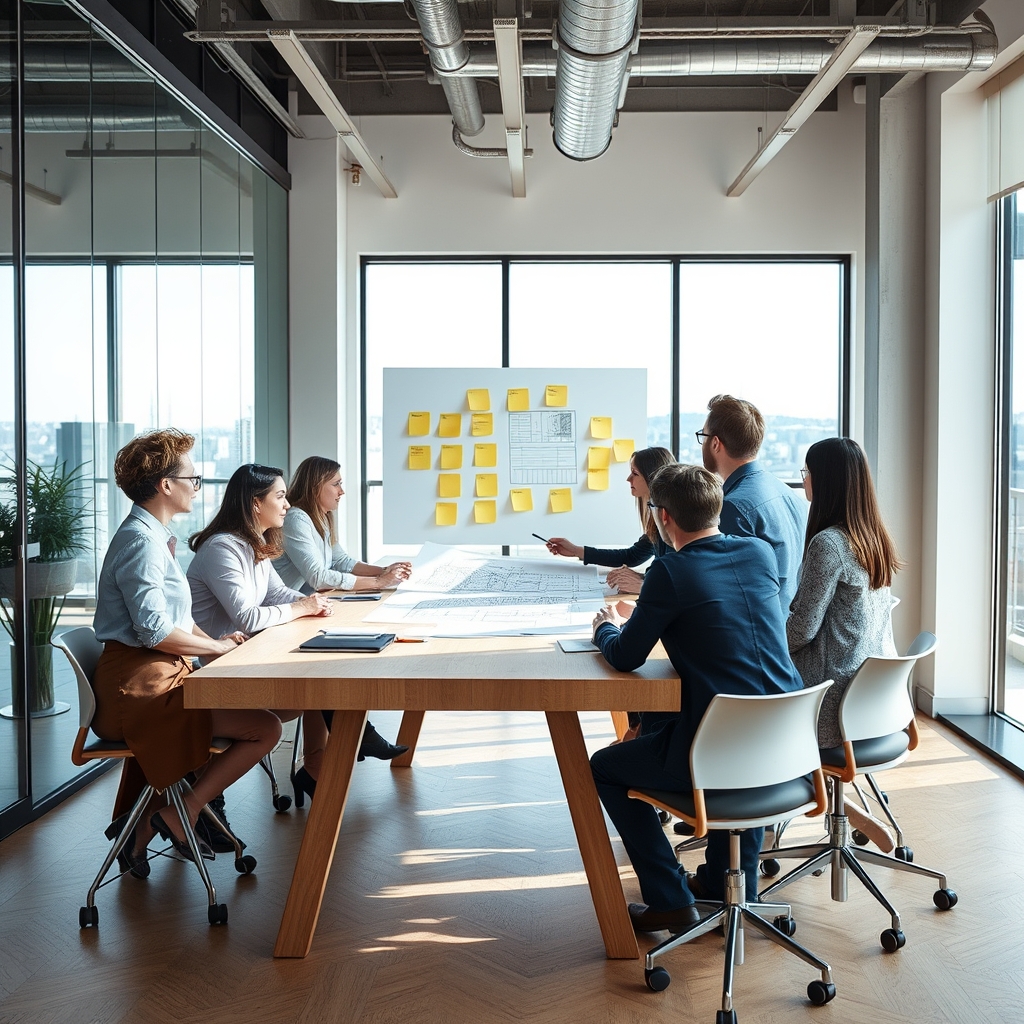
As the modern workforce continues to evolve, workplace strategy discussions are moving past the initial debate of remote versus in-person work and focusing more intently on the actual purpose of the office. Industry observers and workplace researchers note that organizations are increasingly redefining physical workspaces to serve as intentional hubs for collaboration, mentorship, and culture-building rather than mandatory daily check-in points.
Redefining the Purpose of Physical Office Space
For the past several years, human resources leaders have navigated a constantly changing landscape of workforce expectations. While flexibility remains a top priority for employees, leadership teams are recognizing that uncoordinated hybrid schedules can sometimes lead to fragmented communication and isolation. In response, forward-thinking enterprises are moving away from arbitrary attendance mandates. Instead, they are designing deliberate strategies that make coming into the office genuinely valuable for staff members.
According to workplace management experts, this shift requires a fundamental redesign of physical layouts. Traditional rows of assigned desks are gradually being replaced by collaborative zones, project rooms, and adaptable spaces equipped for hybrid meetings. The goal is to provide an environment that supports activities difficult to replicate through a computer screen, such as creative brainstorming sessions, cross-functional workshops, and onboarding integration for new hires.
Balancing Autonomy with Connection
HR professionals face the ongoing challenge of maintaining high employee engagement while respecting the autonomy workers have gained through remote arrangements. Research highlighted by workplace analysts indicates that forced return-to-office policies often trigger friction and attrition, particularly among top talent who value schedule control. Consequently, successful organizations are adopting a collaborative approach to policy-making, involving employees in defining when and why teams should gather in person.
- Establishing core collaboration days where entire departments align their in-office schedules to maximize face-to-face time.
- Training middle managers to facilitate hybrid teams effectively, ensuring that remote participants feel equally included in decision-making processes.
- Evaluating workspace utilization data to ensure real estate investments align with actual team needs and working styles.
- Prioritizing asynchronous communication methods to reduce meeting fatigue for employees regardless of their physical location.
Strategic Implications for People Leaders
For human resources departments, this transition demands a shift in how productivity and performance are measured. Moving away from presence-based metrics toward outcome-oriented evaluations allows organizations to support flexible work styles without sacrificing operational standards. Furthermore, as organizations refine their physical office strategies, HR leaders play a critical role in communicating these changes transparently, ensuring that workforce policies support both business objectives and employee well-being.
Ultimately, the ongoing evolution of workplace strategy highlights a mature phase in modern work design. By focusing on intentional connection rather than rigid attendance rules, organizations can build resilient, adaptable environments where employees can thrive, whether they are logging in from home or collaborating across a shared table.
Source: HR Dive
