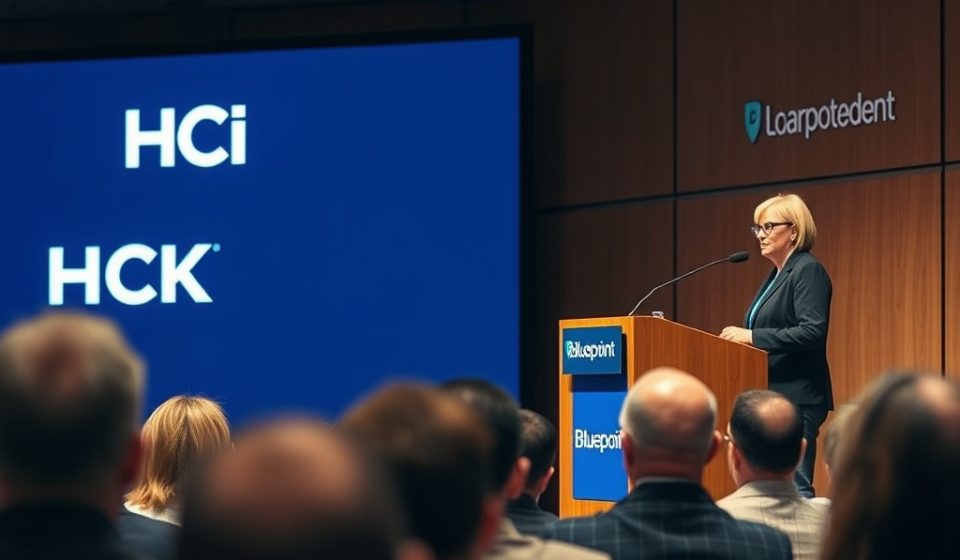
Joan Peterson Urges HR Leaders to Consider the Legacy of Their Work

Human resources work can have a lasting effect even when its contribution is not immediately visible, Joan Peterson told attendees at an SPARK Talent presentation. Peterson, vice president, master facilitator and leadership coach at Bluepoint Leadership, spoke about the legacy HR professionals create through their work with employees and leaders, according to a report from HR Daily Advisor’s HCI Frankly Speaking series.
The discussion put a broad question to HR practitioners: What will people remember about the way HR supported the organization and its workforce? The source account describes Peterson encouraging the audience to consider that question as they continue their careers. It does not provide a transcript, specific recommendations or a framework from the presentation, so the central point is the invitation to reflect on HR’s longer-term influence rather than a new program or formal initiative.
That influence can be easy to overlook in day-to-day work. HR teams handle responsibilities ranging from employee engagement and organizational structure to compliance, hiring and other workforce needs. Much of that activity is operational and may draw little attention when it is working as intended. Peterson’s remarks, as summarized by HR Daily Advisor, point to the possibility that such work still shapes how employees and leaders experience the organization over time.
Why HR’s less visible work can matter
Employees and leaders often turn to HR during periods of uncertainty or concern. In those moments, the quality of HR’s response can affect whether people understand their options, feel heard and know where to seek help. These interactions are only one part of the function’s work, but they illustrate how HR’s contribution is experienced directly by people navigating workplace questions and change.
HR’s longer-term impact also comes through the systems and practices it helps maintain. Decisions about organizational structure, hiring and engagement influence how work is arranged and how employees interact with their employer. The source does not attribute a specific outcome to Peterson’s presentation, but its focus on legacy offers HR professionals a reason to consider how their everyday decisions may shape workplace expectations beyond the immediate task.
A reflection for HR teams and leaders
For HR teams, the legacy question can be a useful prompt for internal discussion without being treated as a performance metric or a substitute for evidence. Colleagues might consider which parts of their work employees encounter most often, where leaders rely on HR’s judgment, and whether established processes are serving the people they are intended to support. Those are practical questions prompted by the topic, not findings or recommendations reported from Peterson’s session.
The question may also help leaders look beyond visible projects when assessing the function’s contribution. Engagement efforts, sound organizational design and consistent attention to employee concerns can involve sustained work rather than a single announcement or event. Recognizing that contribution does not remove the need to evaluate HR decisions or address shortcomings; it can instead keep attention on how the function’s choices affect employees and the organization over time.
What the account does and does not establish
HR Daily Advisor’s brief account identifies Peterson, her role at Bluepoint Leadership and the setting of her remarks, but offers no detailed examples, audience responses or evidence of specific workplace results. It therefore presents the legacy theme as a leadership reflection, not as a research finding, survey result or newly launched HR practice. That distinction matters for readers seeking to apply the discussion: the article supports reflection on HR’s role, but does not establish which approaches are most effective.
For HR professionals, the takeaway is the value of considering both immediate service and lasting influence. The work may receive limited recognition in the moment, yet employees and leaders continue to depend on HR when concerns arise. Peterson’s prompt asks practitioners to look at that responsibility over the course of their careers and consider what their decisions, support and workplace practices will leave behind.