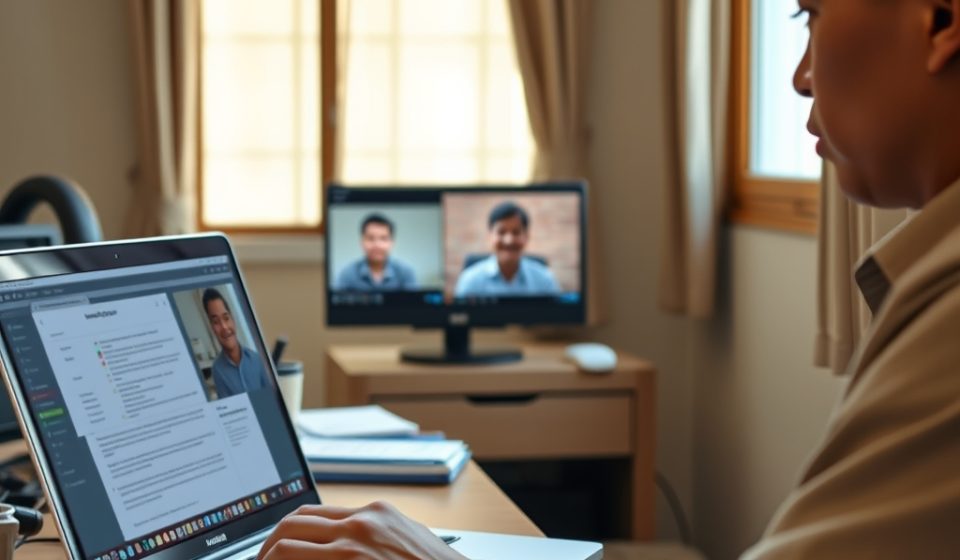
Remote Work Is Widening Access to High-Skill Jobs for Filipino Professionals

Remote work is creating more opportunities for Filipino professionals to take on high-skill jobs, according to the central point of a BusinessMirror report. Its headline also describes an individual helping connect workers with those opportunities. The source material available here does not identify that person, a company or platform, the occupations involved, or the scale of the activity, so those details cannot be independently described. The development nevertheless highlights a workforce issue for employers: work that can be performed remotely may give organisations access to talent beyond the locations where their offices are based.
Access to work beyond local boundaries
Remote arrangements can make some roles available to qualified candidates who would otherwise need to relocate or live near an employer’s premises. That possibility is particularly relevant to knowledge-based work, where much of the job can be carried out using digital tools and where colleagues, clients or managers may be in different places. The headline’s reference to high-skill jobs points to a distinction between remote work as a work location and the level of responsibility or expertise a role requires. The source does not specify which occupations are involved, so the opportunity should not be assumed to apply equally across industries or job types.
For Filipino workers, access to work with employers outside their immediate area can broaden the range of roles they can consider. For employers, remote hiring can widen a candidate search beyond a single commuting zone. Neither outcome is automatic: roles must be suitable for remote delivery, candidates need relevant qualifications, and employers need workable processes for communication, supervision and collaboration. The report headline’s mention of a connector suggests that someone is helping link workers and opportunities, but the available text does not explain whether that connection is made through a recruitment service, a professional network, a business, or another arrangement.
What HR teams should weigh
HR teams considering a geographically broader workforce need to define roles around their actual requirements rather than treating remote work as a substitute for job design. Clear descriptions of responsibilities, required expertise, working hours and collaboration expectations help candidates assess whether a position is suitable and help managers evaluate applicants consistently. These considerations matter in any remote recruitment effort, whether candidates are local or based elsewhere. The source provides no details about the jobs or selection process in this case, so it cannot establish what screening methods or employment arrangements were used.
Once a remote hire is in place, managers still need to support the conditions that allow skilled work to succeed. Employees need access to the systems and information required for their roles, a clear point of contact, and an understanding of how work will be coordinated with colleagues. Communication across locations may require teams to agree on overlapping hours and how decisions are recorded. These are general management considerations, not details reported about the individual or workers referenced by BusinessMirror. They are relevant because expanding access to jobs is only one part of building an effective remote working relationship.
Employers recruiting across borders also need to establish which entity is employing the worker and what terms govern the arrangement. Where a role involves work in another country, organisations should assess applicable employment, tax, data-protection and other obligations with appropriate professional guidance. The source material does not say whether the opportunities described are domestic or international, or whether the people involved are employees, contractors or service providers. Those distinctions can affect how a role is structured and managed; they should not be inferred from the fact that work is remote.
A development to watch with care
The reported connection between Filipino talent and high-skill remote work is significant as a workforce theme, but the information available does not support conclusions about the number of workers reached, the sectors involved, earnings, or longer-term outcomes. HR professionals can take the headline as a prompt to examine whether location requirements in their own roles are necessary and whether their recruitment practices can reach qualified candidates more broadly. Any such review should remain grounded in job needs and consistent evaluation, rather than assumptions about a candidate’s location or background.
For employees, the potential value of remote access depends on the quality and substance of the work, not simply its location. For employers, the opportunity depends on matching capabilities to roles and providing the structures needed for people to contribute effectively. The BusinessMirror headline signals that a person is helping make connections, but further reporting would be needed to understand the model and its results. Until those details are available, the clearest takeaway is that remote work can open routes to skilled employment while leaving HR teams responsible for thoughtful hiring, sound work design and clear employment arrangements.