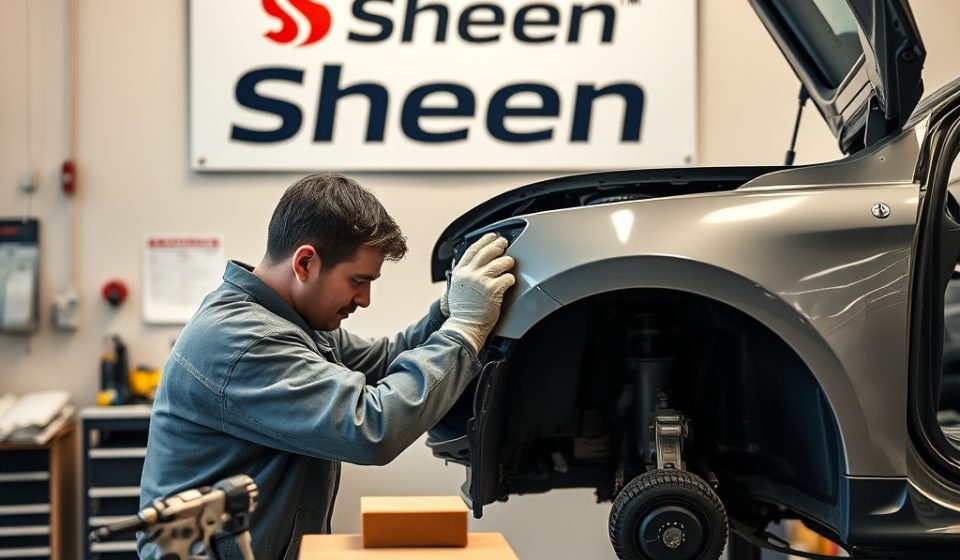
Sheen Group invests in collision repair skills development

Sheen Group is investing in skills development for collision repair, according to a report by Paint & Panel. The development puts workforce capability in focus in a trade where employees need practical technical knowledge alongside the ability to work safely and meet repair-quality requirements. The available source information does not specify the investment amount, its delivery model, timing, intended participants or any training partners, so the scale and form of the initiative remain unclear.
What the report establishes
The report identifies Sheen Group and collision repair skills development as the central elements of the investment. It does not describe a named course, qualification, facility or technology, nor does it identify an executive or training provider involved. Those details matter when assessing how an investment may affect recruitment, existing employees or the company’s longer-term workforce plans. Without them, the announcement is best understood as a commitment to skills development rather than evidence of a particular programme or measurable training outcome.
Collision repair work can involve several specialised tasks, including assessing vehicle damage, repairing panels and refinishing surfaces. The work also calls for attention to safety, precision and the quality of completed repairs. The mix of skills required can vary with the job and the equipment or materials used. That makes the development of practical capability relevant to employers in the field, while the source does not say which of these areas Sheen Group’s investment will address.
Why skills investment matters to HR
For HR teams, a skills investment is most useful when it is connected to a clear understanding of the work employees need to perform. Employers typically need to consider which capabilities are required for particular roles, how those capabilities can be built, and how employees can demonstrate proficiency. These are general workforce-planning considerations, not details reported about Sheen Group. The announcement nevertheless gives HR professionals a reason to watch for further information about how the investment will translate into learning opportunities and job-related development.
Learning in a technical trade may combine instruction with supervised practice, but the source does not confirm that Sheen Group has chosen this or any other format. The distinction is important: an investment announcement alone does not establish who will receive training, whether learning will take place on the job or elsewhere, or how participation will be organised. HR and operational leaders would need those details to understand the initiative’s reach and how it fits alongside day-to-day business requirements.
Employers assessing skills development can also distinguish activity from outcomes. Participation in training, completion of a course and demonstrated ability to carry out work are different measures. Depending on the design of a programme, organisations may track learning access, skill assessments or other indicators relevant to the roles involved. No such measures or intended results are provided in the report, and there is no basis to claim that the investment has already changed workforce capability or repair outcomes.
What to watch next
The announcement is relevant to HR because it connects employer investment with capability in a specialised area of work. More information about the investment’s scope, delivery and target workforce would help clarify whether it is aimed at developing current employees, supporting entry into the trade or addressing another skills need. Until those details emerge, the confirmed news is limited but clear: Sheen Group is investing in collision repair skills development. The practical significance will depend on how that commitment is put into operation and what further information the company provides.