Workology Podcast: How Artificial Intelligence is Reshaping What Recruiters Seek in Candidates

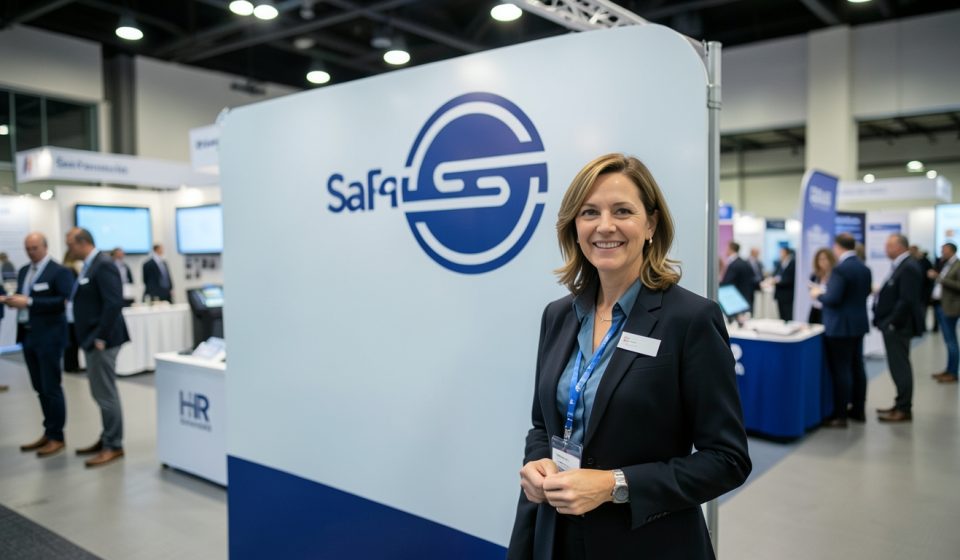
Artificial intelligence is profoundly shifting the recruitment landscape, transforming how both job seekers and employers approach the hiring process. In Episode 457 of the Workology Podcast, host Jessica Miller-Merrell sat down live on the expo floor at the HR Technology Conference with Katherine Loranger, Chief People Officer at Safeguard Global, to examine the friction points and evolving strategies in modern talent acquisition. As generative AI tools enable candidates to instantly produce polished resumes, tailor application materials, and generate convincing interview responses, recruiters face a mounting challenge in separating superficial polish from genuine capability.
The Limits of the Modern Resume and the Rise of Homogenization
Recruiters have long understood that a resume is merely an initial screening tool rather than proof of a candidate’s competence. However, AI-driven application tools have accelerated a troubling homogenization of CVs. Job seekers frequently rely on algorithms to stuff resumes with keywords and match job descriptions word-for-word. Ironically, the very applicant tracking system algorithms designed to filter talent often favor these AI-generated profiles, creating a closed loop that bypasses authentic human evaluation. Loranger emphasizes that organizations must recognize resumes as just the opening step and rely on early human intervention to uncover exceptional talent that might otherwise slip through standard keyword filters.
Reframing the Interview Through Behavioral and Root-Cause Inquiry
To combat the sea of identical, AI-optimized applications, hiring managers and recruiters must fundamentally rethink their interviewing practices. Relying on outdated behavioral prompts like asking what happened in a past project is no longer effective because workplace environments and technological tools evolve at breakneck speeds. Instead, interviewers need to probe deeply into cognitive processes, decision-making rationales, and learning agility. By treating interviews more like root-cause analyses—asking candidates why they made specific choices, what mistakes they encountered, and how they adapted—hiring teams can evaluate true critical thinking and curiosity, attributes that artificial intelligence cannot replicate.
- Focus on foundational aptitude and learning agility rather than rigid past project history
- Ask probing follow-up questions regarding decision-making rationales and problem-solving approaches
- Train hiring managers to spot standardized stock answers generated by AI tools
Navigating Candidate Fraud and Balancing Efficiency
Beyond polished applications, employers must contend with rising risks of candidate fraud, ranging from embellished credentials to the live use of AI tools during virtual interviews. While these risks require diligence, HR leaders advocate for vigilance paired with balanced judgment rather than constant suspicion. Interviewing panels should look for subtle behavioral cues, utilize multi-person interview structures, and establish swift internal resolution processes if an unqualified hire slips through the cracks. Simultaneously, AI serves a vital role in managing high volumes of incoming applications and helping recruiters generate targeted interview questions, provided human oversight remains firmly in control of final hiring decisions.
Preparing Entry-Level Talent and Hiring for Future Potential
A critical concern for modern workforce strategists is the impact of automation on entry-level roles. Historically, junior employees built foundational institutional knowledge by executing routine tasks that AI now streamlines. To prevent a skills gap, organizations must deliberately cultivate learning agility, introduce job rotation programs, and prioritize hiring for potential and adaptability over strict years of experience. Because the future workplace will continue to evolve unpredictably, securing professionals who possess curiosity and flexibility ensures long-term organizational resilience.