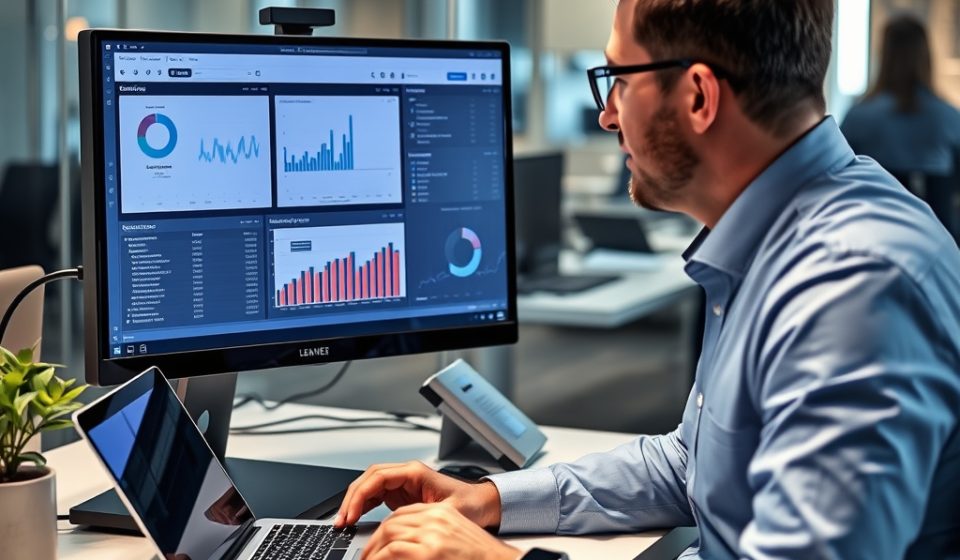
The Evolution of HR Systems Towards Streamlined Platforms and Enhanced User Experiences

Human resources technology has experienced significant transformation over recent years, moving from fragmented toolsets toward more integrated ecosystems. Industry discussions, such as those highlighted by TalentCulture, increasingly focus on how organizations can consolidate their software stacks to reduce administrative friction and improve daily interactions for staff members.
The Challenge of Fragmented HR Technology
Many enterprises historically adopted specialized software for every distinct personnel function. While this approach provided deep feature sets for specific tasks, it frequently resulted in disconnected databases and cumbersome operational workflows. Employees and managers often found themselves navigating multiple distinct interfaces just to complete routine organizational tasks, leading to reduced adoption rates and frustrated users.
- Multiple vendor logins causing unnecessary friction
- Siloed employee records scattered across different databases
- Inconsistent user experiences limiting overall system engagement
Consolidation as a Strategic Priority
Modern HR leadership is shifting away from software bloat in favor of streamlined architectures. By reducing the sheer volume of distinct platforms, organizations can centralize core data and offer a more cohesive environment. This consolidation helps ensure that professionals spend less time switching between applications and more time focusing on strategic initiatives.
- Unified data models supporting accurate reporting
- Simplified vendor management and reduced software expenditure
- Intuitive navigation that mirrors consumer-grade digital experiences
Enhancing the Daily User Experience
Beyond administrative efficiency, the push toward fewer platforms is fundamentally about elevating the quality of interactions for every user. When core capabilities live within a unified environment, individuals can access necessary resources without unnecessary hurdles. Organizations evaluating their technology stacks are prioritizing intuitive design and seamless integration to support long-term adoption and satisfaction across the entire workforce.