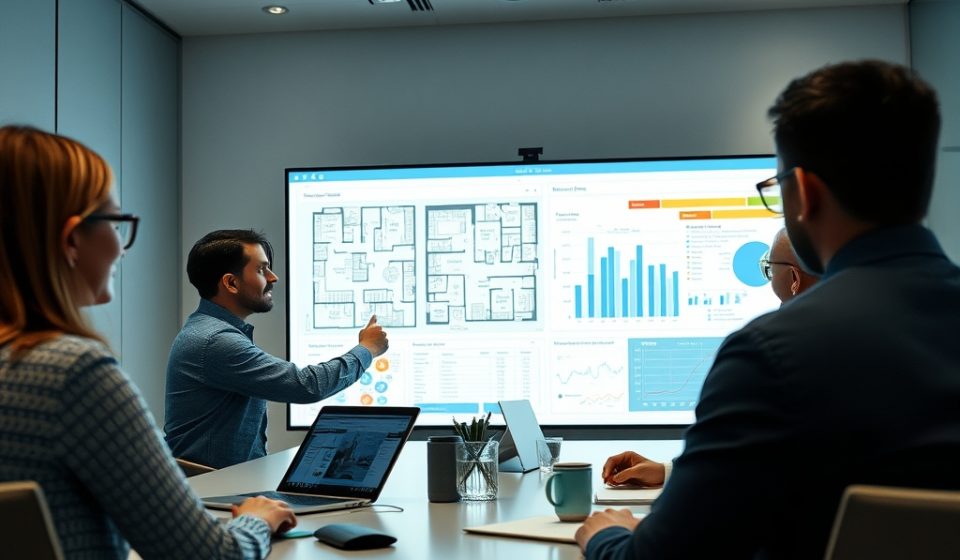
One in Five Employees Report Their Current Workplaces Fail to Meet Their Professional Needs

Recent findings published by Workplace Insight reveal a growing operational disconnect between contemporary staff expectations and the physical environments provided by employers. According to the data, exactly twenty percent of surveyed personnel feel poorly served by their current corporate offices. This sentiment points to a persistent friction in how organizations balance operational requirements with staff preferences as hybrid and remote arrangements continue to evolve.
Evaluating the Physical Workplace Experience
The research underscores a critical challenge for leadership teams and facilities managers striving to optimize corporate real estate. When one in five individuals report dissatisfaction with their working environment, organizations risk declines in productivity, engagement, and retention. Modern personnel increasingly evaluate their offices based on functional utility, looking for spaces that support focused tasks, collaborative projects, and well-being during in-person days.
- Assessing whether current physical layouts meet diverse staff requirements.
- Identifying gaps between remote flexibility and on-site functional design.
- Reviewing spatial strategies to address widespread personnel dissatisfaction.
Strategic Implications for Facilities and Leadership
Addressing these concerns requires a deliberate examination of how physical spaces serve day-to-day business operations. Organizations must look beyond basic occupancy rates and gather qualitative feedback from personnel regarding spatial utility. Leadership teams should consider targeted investments in collaborative hubs, quiet zones, and ergonomic infrastructure to ensure the office serves as a valuable resource rather than a daily obstacle for staff members.